Dental Implants: Benefits, Costs & Why They’re the Best Tooth Replacement (2026)
What Are Dental Implants?
If you’ve lost a tooth or several due to injury, decay, or gum disease, dental implantsoffer the most natural, long-lasting solution available in modern dentistry.
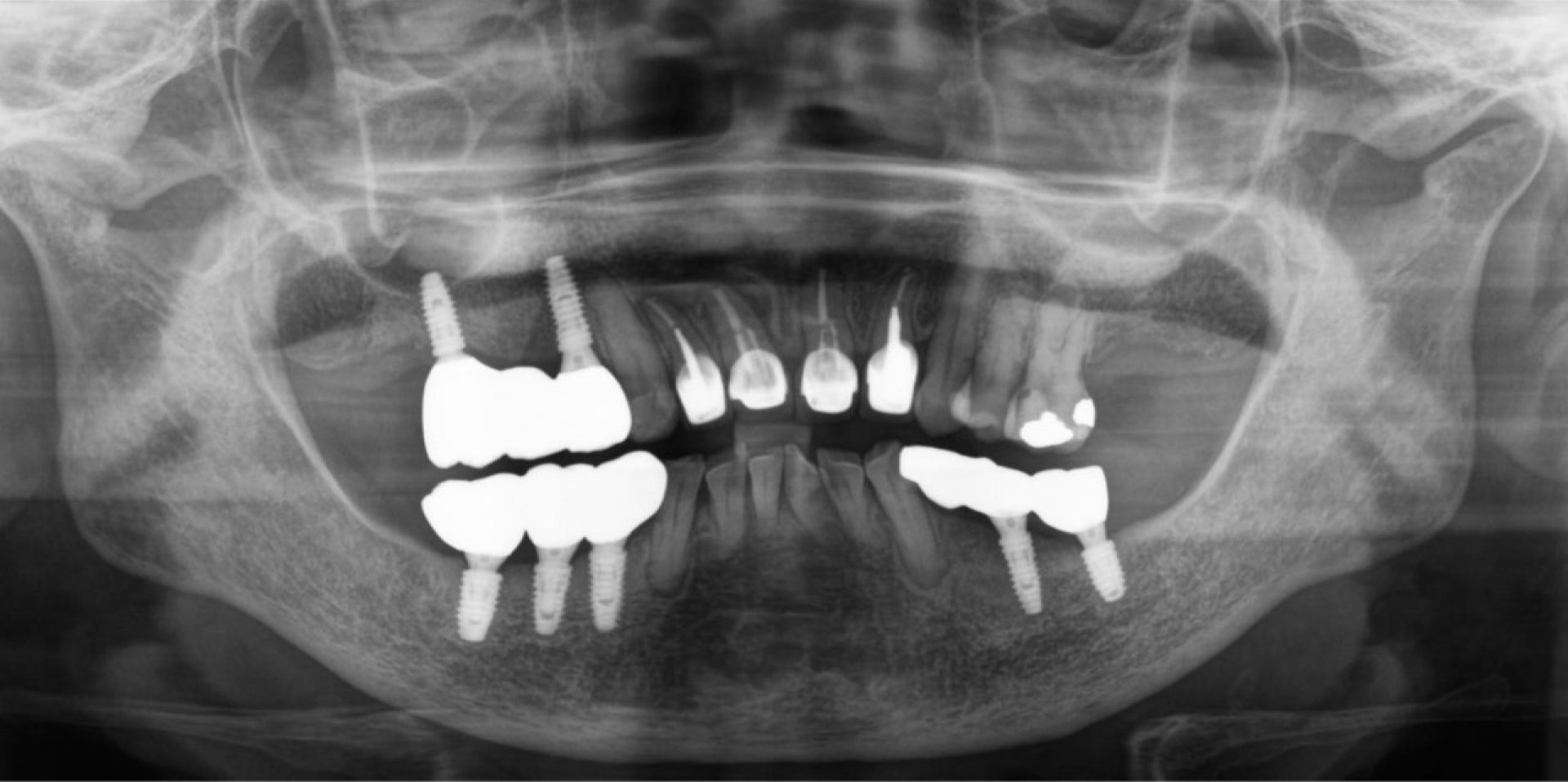
A dental implant is a small titanium post surgically placed into the jawbone, where it fuses with the bone over time and acts as an artificial tooth root. A custom-made crown is then attached on top,creating a replacement tooth that looks, feels, and functions just like the real thing.
Millions of people worldwide choose dental implants each year, and it’s easy to understand why. Unlike dentures or bridges, implants are a permanent tooth replacement option that integrates directly with your body — delivering benefits that go far beyond aesthetics.
Top Reasons Dental Implants Are Good for You
1. They Look and Feel Like Natural Teeth
One of the biggest advantages of dental implants is how indistinguishable they are from your natural teeth. The crown is crafted to match the shape, size, and color of your surrounding teeth, so no one will ever know you have an implant. More importantly, you won’t notice it either — there’s no slipping, clicking, or discomfort that comes with removable dentures.
2. Dental Implants Preserve Jawbone Health
When you lose a tooth, the jawbone beneath it begins to deteriorate — a process called bone resorption. This is because the bone needs stimulation from tooth roots to maintain its density. Dental implants are the only tooth replacement option that stimulates the jawbone the same way natural teeth do, preventing bone loss and preserving your facial structure over time.
Studies show that patients can lose up to 25% of their jawbone width in the first year after tooth loss — dental implants halt this process entirely.
3. They Protect Your Remaining Natural Teeth
Traditional dental bridges require the dentist to grind down the healthy teeth on either side of the gap to serve as anchors. Dental implants require no alteration to neighboring teeth whatsoever, preserving the integrity of your remaining healthy smile. Over time, this leads to better overall oral health and fewer dental complications.
4. Dental Implants Are Built to Last a Lifetime
With proper care -regular brushing, flossing, and routine dental check-ups — dental implants can last 20 to 30 years or even a lifetime. Compare that to dentures, which typically need to be replaced every 5–10 years, or bridges that last around 10–15 years. While the upfront cost of implants may be higher, their long-term value makes them one of
the most cost-effective tooth replacement solutions available.
5. Improved Comfort and Quality of Life
People who switch from dentures to dental implants consistently report dramatic improvements in their quality of life. You can eat all the foods you love — apples, corn on the cob, steak — without worry. You can speak clearly without dentures shifting or slipping. And you can smile with genuine confidence, knowing your teeth are secure and natural looking.
6. Better Oral Hygiene
Caring for dental implants is as simple as caring for natural teeth. You brush and floss normally — no need for adhesives, soaking solutions, or special cleaning kits. This ease ofmaintenance helps patients maintain better overall oral hygiene, which has well documented links to systemic health benefits, including reduced risk of heart disease, diabetes complications, and respiratory infections.
7. They Boost Confidence and Mental Well-Being
Missing teeth can affect far more than your ability to chew. Research consistently links tooth loss to lower self-esteem, social anxiety, and depression. Dental implants restore a full, natural smile and with it, the confidence to laugh freely, engage socially, and feel comfortable in your own skin. The psychological benefit of implants is one of the most underrated aspects of the treatment.
8. High Success Rate
Dental implants have one of the highest success rates of any dental procedure, withresearch showing success rates of 95–98% over 10 years. They are well-tolerated by the vast majority of patients, and complications are rare when the procedure is performed by a qualified implant dentist.
Dental Implants vs. Dentures vs. Bridges: Which Is Best?
| Feature | Dental Implants | Dentures | Bridges |
| Looks natural | Excellent | Good | Good |
| Feels natural | Excellent | Can slip | Good |
| Preserves jawbone | Yes | No | No |
| Lifespan | 20 - 30 years + | 5 - 10 years + | 10 - 15 years |
| Affects other teeth | No | Maybe | Yes |
| Maintenance | Brush & Floss | Adhesives needed | Brush & Super Floss |
Who Is a Good Candidate for Dental Implants?Most healthy adults with good oral hygiene are candidates for dental implants. Ideal candidates:
- Are missing one or more teeth
- Have sufficient jawbone density (or can undergo a bone graft)
- Do not smoke, or are willing to quit (smoking reduces implant success rates)
- Are committed to good oral hygiene and regular dental visits
- Do not have uncontrolled diabetes or autoimmune conditions
If you’re unsure whether implants are right for you, a consultation with a qualified implant dentist will include X-rays and a health assessment to determine your eligibility.
How Much Do Dental Implants Cost?
In the United States, a single dental implant typically costs between $3,000 and $5,000, including the post, abutment, and crown. While this is higher than dentures or bridges upfront, the long-term durability and health benefits make implants a smart investment. Many dental practices now offer financing plans to make treatment more accessible.
Frequently Asked Questions About Dental Implants
:Are dental implants painful? The procedure is performed under local anesthesia, so you won’t feel pain during surgery. Post-operative discomfort is typically mild and manageable with over-the-counter pain relievers.
How long does the dental implant process take?
:The full process, from implant placement to final crown, typically takes 3–6 months, allowing time for the implant to fuse with the jawbone (osseointegration).
Can dental implants fail?
:Implant failure is rare (2–5%) and is most often associated with smoking, poor oral hygiene, or underlying health conditions. Choosing an experienced implant dentist greatly reduces risk.
Are dental implants covered by insurance?
Coverage varies by plan. Some dental insurance policies cover a portion of implant costs. It’s worth checking with your provider and asking your dentist about payment options.
Conclusion: Are Dental Implants Worth It?
Absolutely. Dental implants are widely considered the gold standard for tooth replacement and for good reason. They preserve bone health, protect neighboring teeth, last a lifetime with proper care, and restore both function and confidence in a way no other solution can match.
If you’re living with tooth loss and exploring your options, speak with a qualified implant dentist today. A single consultation could be the first step toward a healthier, more confident smile that lasts a lifetime.
This article is for informational purposes only and does not constitute medical or dental advice. Always consult a licensed dental professional for personalized guidance.