


What is a dental implant?
Dental implants are tooth roots made from medical-grade titanium to replace lost natural teeth. The implants have been researched and proven to be safe and friendly to the body. The implants are surgically placed in the bone area that was planned using a digital system. The bone will hold the implants in place similar to the anchors for natural teeth, allowing the implants to function like natural teeth.

Which dental implant is right for me?
Currently, there are many brands of dental implants on the market. We can choose the implant by looking at the manufacturing company to see how long it has been established and whether there is a warranty or not. Because choosing an implant is like buying a car. Once you have it, you have to take care of it regularly every 6 months. The equipment used to maintain or repair each brand of implants is different. It can be said that they are almost indispensable. After getting a dental implant, we should know the brand name of the implant that we have. In terms of the treatment plan, the doctor will assess the condition of the mouth and take a 3D X-ray to assess the quality of the bone to help advise which type of implant is suitable for each case. Is it necessary to add artificial bone? The doctor will plan the position and number of dental implants by assessing the oral condition of each patient, which is different.

Dental implants consist of:
Dental implants consist of three main components: the fixture, the abutment, and the crown.
Fixture
• Made of medical grade titanium, non-irritating and friendly to the mouth. Can be attached to the bone and act as a tooth root. Durable against chewing force.
Abutment
• Acts as a support for the tooth crown.
Dental crown
• Made from Zirconia, has the same shape and color as natural teeth.


How many types of dental implants are there?
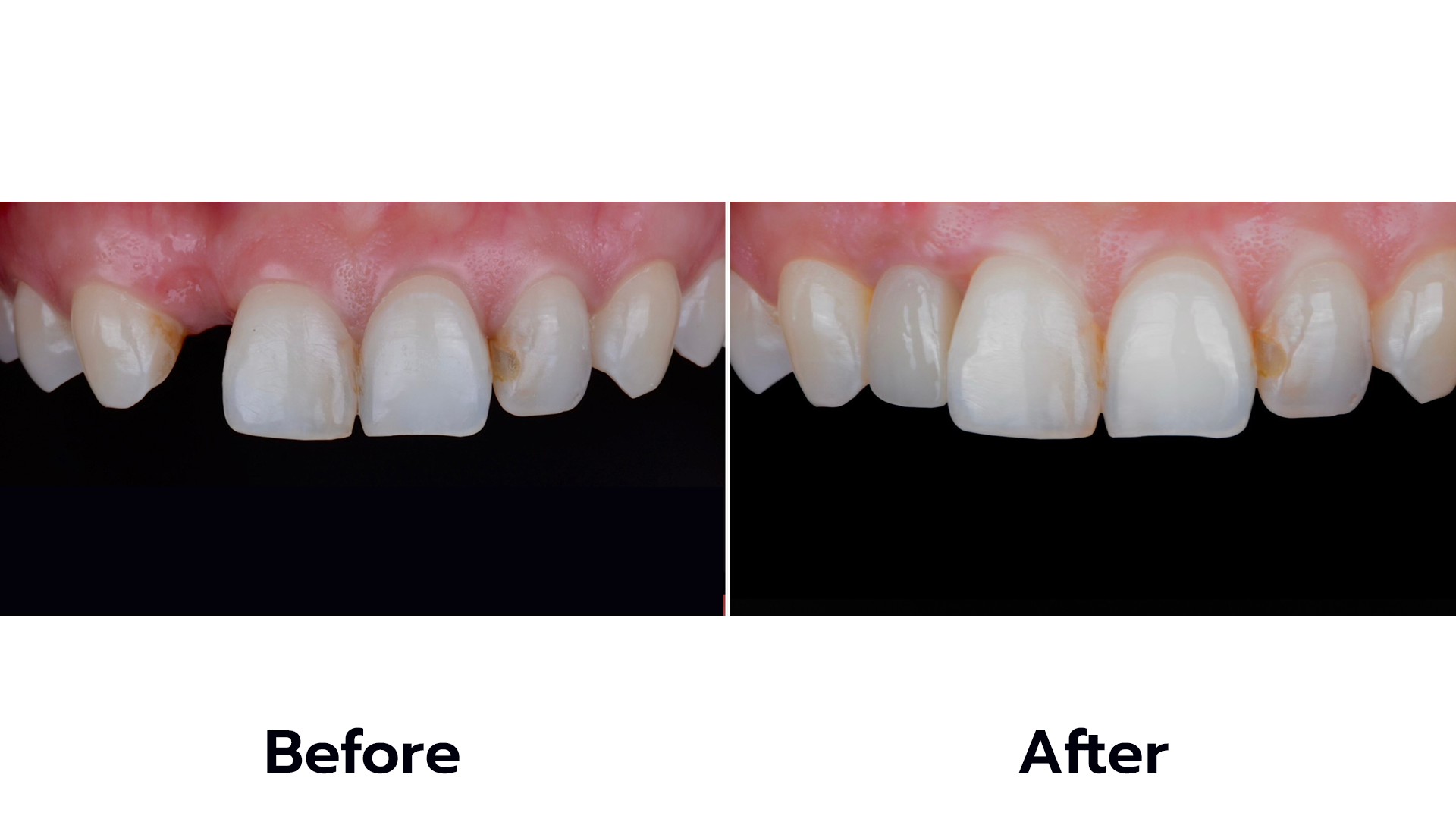
1. Single Dental Implant
• Suitable for cases where only 1 or several natural teeth are lost but not adjacent to each other. Patients can take care of the cleanliness similar to taking care of natural teeth. Moreover, a single dental implant can chew food and receive chewing force similar to natural teeth. Suitable for almost every case.
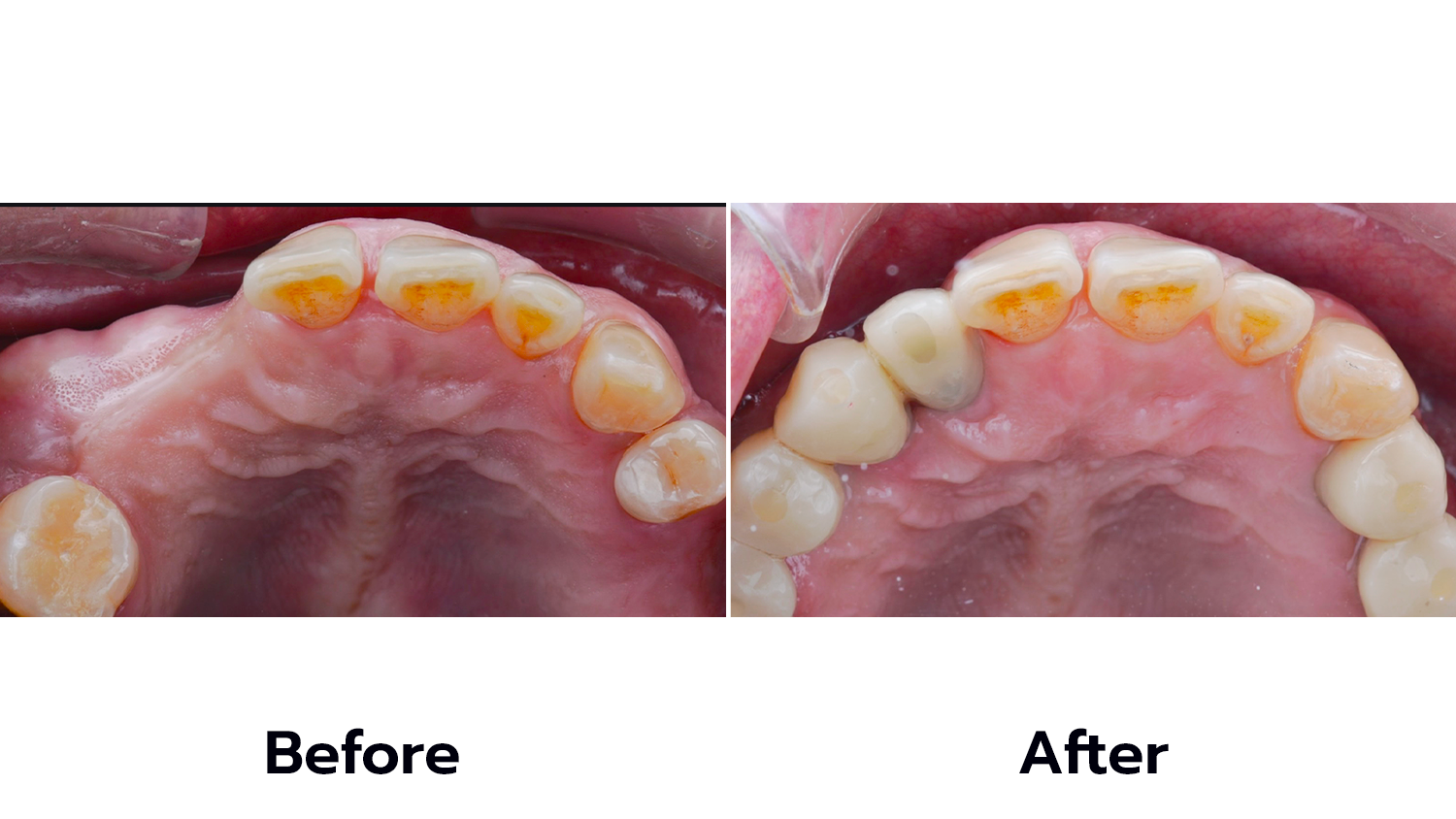
2. Implant Support Bridge
• Suitable for cases where more than 2 natural teeth are lost and are adjacent to each other, using a dental bridge to connect the 2 dental implants.
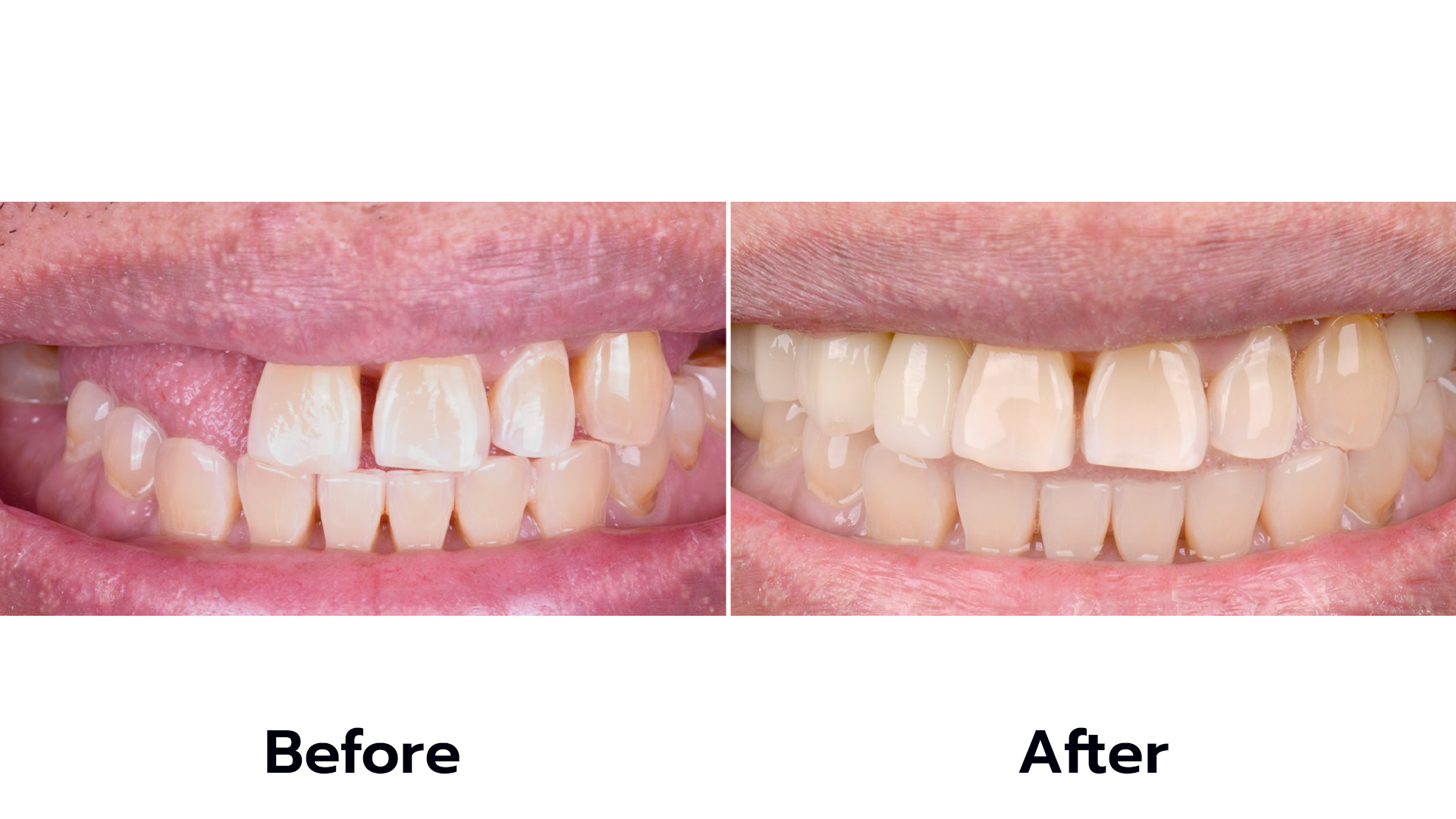
3. Implant Retained Denture
• Suitable for cases where several teeth are missing, removable dentures are placed on the implants to help support the dentures from becoming loose. The dentist will schedule an appointment to check the dentures every 6 months to check the condition and clean them.
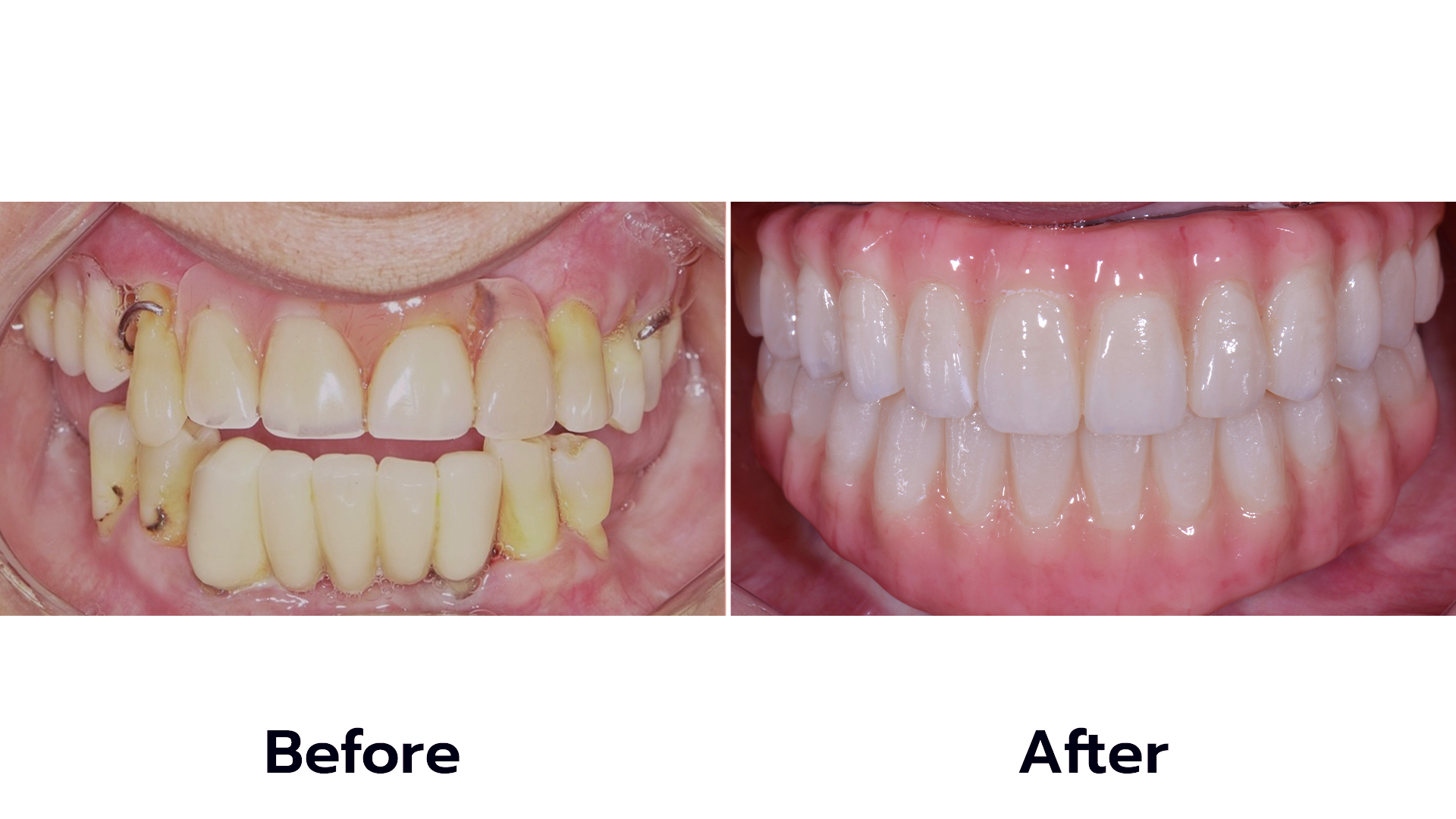
4. Implant Supported Denture or All on 4
• Suitable for cases where all natural teeth are lost. The dentist will assess and plan how many dental implants should be inserted per jaw, such as 4 - 8. Inserting dental implants to support this type of denture will help reduce the problem of loose dentures, slurred speech, and help increase confidence.

What are the advantages of dental implants?

Close to natural teeth
We plan and design treatments with a primary focus on the patient.

Enhance your personality
Enhance your personality and add confidence to your smile.

Prevent crooked teeth
Prevent adjacent teeth from falling into the missing position.

Solve the problem of loose dentures
Solve the problem of loose removable dentures, showing the denture hooks when smiling, inconvenient to chew food, or food stuck in the dentures.
How to prepare before getting a dental implant

Visit your dentist for consultation and planning.
The doctor will examine your mouth and take a 3D X-ray, assess your bone quality, and use an Intra-Oral Scanner to scan your teeth and collect information. He will also check your medical history and current medications to plan your treatment in detail.

Make an appointment for implant placement
In some cases, there may be pain and swelling after the implant is placed. Therefore, we should plan the day to avoid heavy exercise or work that requires a lot of talking for 24-48 hours after receiving the implant and refrain from smoking for 1 month before receiving the implant.

Dental Implant Day
Get enough rest and eat normally. It is not necessary to abstain from food or water before receiving the implant. Avoid all types of alcoholic beverages 24-48 hours before receiving the implant because alcohol may cause the blood to stop flowing slowly.
What are the steps involved in dental implant placement?

Prepare the area where the implant
will be placed.
To fit the planned size under local anesthesia. During the installation of the implant (Fixture), the patient will not feel pain but will feel tightness or pressure.

Bone reinforcement
Bone augmentation (Bone Graft of GBR) or sinus lift (Sinus Lift) if necessary

Stitching the wound
Once the implant is placed, the doctor will clean and close the wound, leaving you with a Healing Cap protruding from the gums.

Clean your mouth
By brushing your teeth as usual and cleaning the area of the Healing Cap that protrudes from the gums by using a small cotton swab soaked in clean saline solution, wiping in a clockwise direction.

Avoid chewing
Food in the implant area, as it takes approximately 3 months for the bone to attach to the implant.

Oral Scan
Scan the mouth to make a crown on the implant

Use of artificial root support rod
The doctor will place the abutment and crown on the implant, take an X-ray to check the fit and check the bite.

Appointment for checkup after root canal crown placement
Make an appointment for a check-up 1-2 weeks after the implant is placed. After that, make an appointment for a regular check-up every 6 months.

Self-care after dental implants

• Bite on the gauze on the implant surgery area for about 1-2 hours to stop the bleeding.
• Apply cold compresses for 24 - 48 hours after implant surgery.
• Avoid using straws or rinsing your mouth vigorously for 24-48 hours after your implant surgery.
• Avoid strenuous exercise or activities that require a lot of talking for 24-48 hours after receiving dental implant surgery.
• Avoid drinking alcohol for 7 days after dental implant surgery.
• Avoid smoking for 1 month.
• Take painkillers and anti-inflammatory medications as recommended by your dentist.
Note : Dental implant surgery is considered a minor standard surgery. Most people find that the pain after the procedure is minimal or similar to tooth extraction. However, the wound healing and swelling of each person are different, depending on each person's body.
How many years do dental implants last?
If patients use and maintain proper cleaning by brushing and flossing their teeth every day, and visit their dentist for regular checkups and maintenance every 6 months, the dental implants will be in good condition, without inflammation, and can remain in their mouths for up to 20 years or a lifetime.
note
The lifespan of dental implants depends on underlying medical conditions. In cases where the patient smokes regularly, dental implants will not last as long as in non-smokers. In addition, missing appointments and not seeing a dentist regularly every 6 months also reduces the lifespan of dental implants.


Who is suitable for dental implants?
• People who have lost their natural teeth.
• There is sufficient bone for implant placement.
• No systemic diseases that are contraindicated.
• Good oral health.
How to clean dental implants
• Use dental floss as you would on a natural tooth and floss around the tooth, but with an implant, the floss can reach a little deeper.
• Brush your teeth over the implants like you would your natural teeth.

Treatment Rates


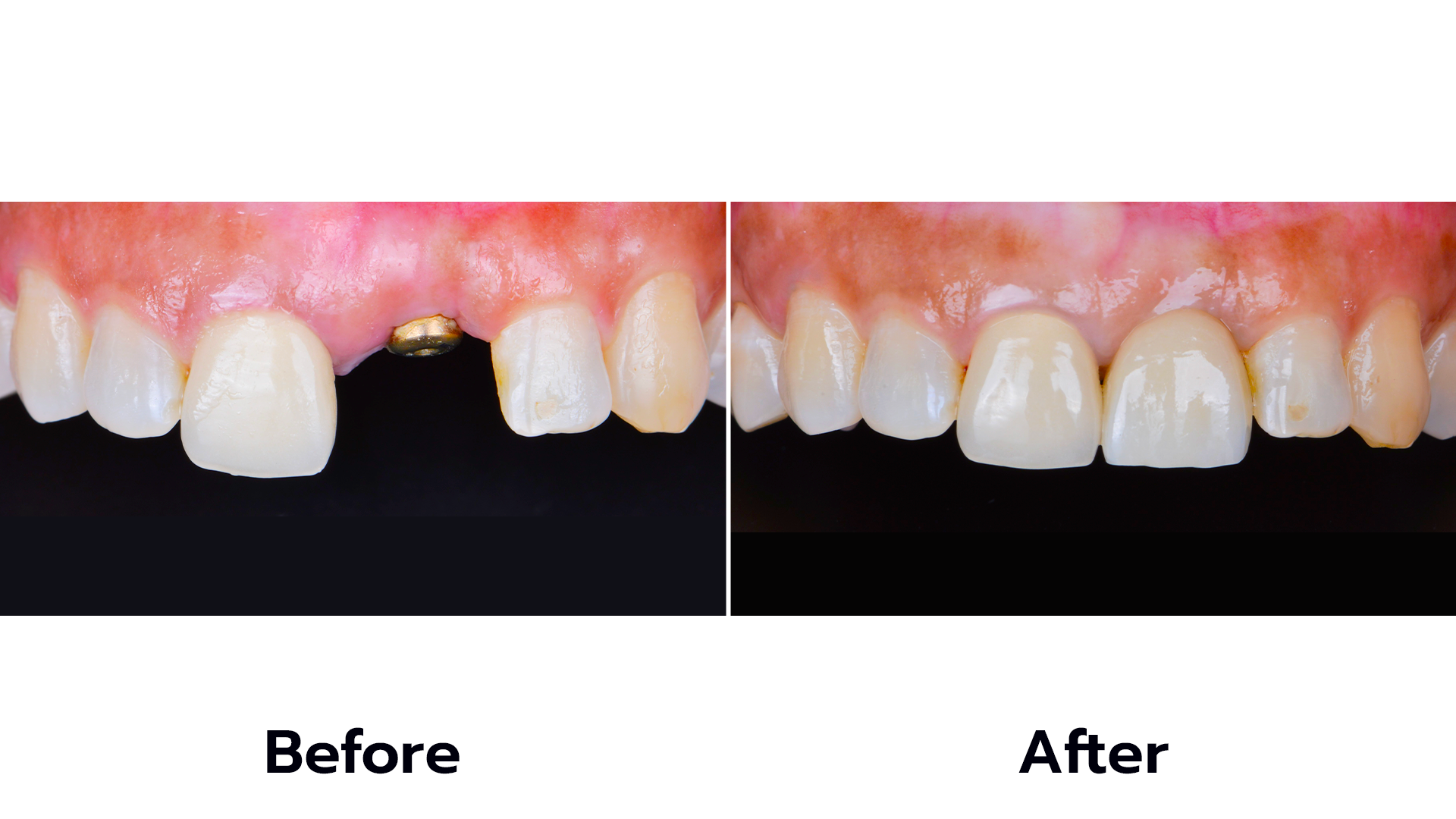
Before & After


Frequently asked questions about dental implants
 MakeWebEasy