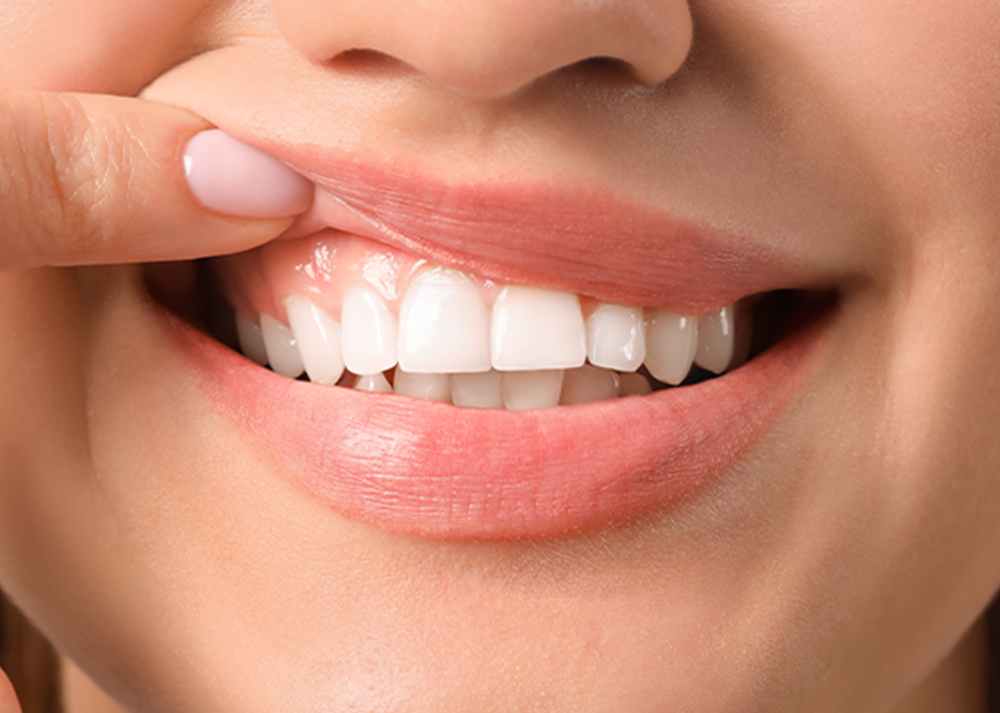

What is tartar scraping, removing stains from tea, coffee, and cigarettes ?
Scaling is a procedure to remove tartar that has built up on the surfaces of the teeth and beneath the gums. The dentist uses an ultrasonic scaler or a manual scaler to clean the teeth, reduce bad breath, and prevent gingivitis.
In addition to tartar, scaling can help reduce some of the stains from cigarettes, tea, and coffee. However, if the stains are deeply embedded, polishing or Air Flow may be necessary.

Removing stains from tea, coffee, and cigarettes can be done as follows:
Scaling
• Removes some limescale and stubborn stains.
Polishing
• Use a toothbrush and tooth powder to remove stains and make your teeth shiny.
Air Flow Cleaning
• Use a fine powder mixed with air and water to spray and clean stubborn stains of tea, coffee and cigarettes.
Teeth Whitening
• If the stains are very deep, bleaching can help whiten the teeth.


Pros and cons of scaling and removing plaque

Benefits of scaling and removing plaque
• Teeth are cleaner, reducing yellow stains from tea, coffee and cigarettes.
• Reduces the chance of gingivitis and tooth decay.
• Smells better, reduces bad breath problems.
• Smile to look brighter and more confident.
Disadvantages or side effects
• Temporary tooth sensitivity may occur.
• Gums may bleed after the procedure if the gums are already inflamed.
• If you still drink tea, coffee or smoke, the stain may come back quickly.

Scaling and root planing are oral cleaning procedures used to treat tartar and gum disease, but they have different purposes and procedures.
Scaling
• It is a process of scraping away tartar and plaque that has accumulated on the tooth surface. It is done both above and slightly below the gum line.
• Usually done in cases of mild to moderate tartar buildup to prevent and treat gum disease in its early stages.
• This process can be done in one session without the need for anesthesia.
Root Planing
• It is a more detailed process, in which the root area where tartar and bacterial plaque build up deep under the gums is cleaned.
• The root canal is scaled and polished to smooth the root surface and reduce the accumulation of bacterial plaque, which helps the gums to adhere better to the root.
• Often done in cases of deep infection or gum disease, such as severe gum disease, and may require local anesthesia.
Overall, scaling is best for general cleaning, while root planing is a deeper procedure and is necessary in cases of severe gum disease or a build-up of bacteria beneath the gums (gingivitis).
 MakeWebEasy